You know, I didn’t really understand what a visual metaphor was until I got stuck in a situation where words just weren’t enough. I remember working on a small project, staring at the screen, trying to explain an idea that felt too big, too emotional, too complicated. And no matter how much I wrote, it just didn’t land.
So I tried something different.
I added an image a tiny cracked lightbulb that perfectly showed the feeling of a “broken idea.” And suddenly, everything clicked. My audience didn’t just read it… they felt it.
That’s when I realized what a visual metaphor truly is: an image that says what words struggle to express.
What Is a Visual Metaphor?
A visual metaphor is an image used to represent a deeper idea, emotion, or concept by comparing one thing to another visually.
Simple Definition:
A visual metaphor uses a picture to show meaning instead of telling it with words.
Example:
A person carrying a heavy brain → represents mental stress or overthinking.
The artwork doesn’t explain it you just get it.
Why Visual Metaphors Work So Well
Visual metaphors are powerful because they:
1. Communicate ideas instantly
You understand the message without reading long explanations.
2. Make content emotional
Symbols hit the heart faster than text.
3. Stick in the memory
People remember images more than plain text.
4. Cross language barriers
Anyone can understand a good visual metaphor, no matter their language.
5. Add creativity to communication
They make art, ads, and designs more meaningful and expressive.
Where Visual Metaphors Are Used
You’ll find visual metaphors almost everywhere:
✔ Advertising ads use symbolic visuals to sell ideas
✔ Art artists express feelings through metaphorical imagery
✔ Graphic design posters, album covers, and illustrations
✔ Films filmmakers use symbolic shots to show themes
✔ Education teachers use visuals to explain difficult ideas
✔ Social media art creators express emotions visually
Visual metaphors are not just artistic they’re practical communication tools.
Examples of Visual Metaphors (Easy to Understand)
1. A melting clock
Meaning: Time slipping away or lack of control.
2. A brain shaped like a maze
Meaning: Complex thinking or decision-making.
3. A person with a cloud raining over their head
Meaning: Sadness, depression, or stress.
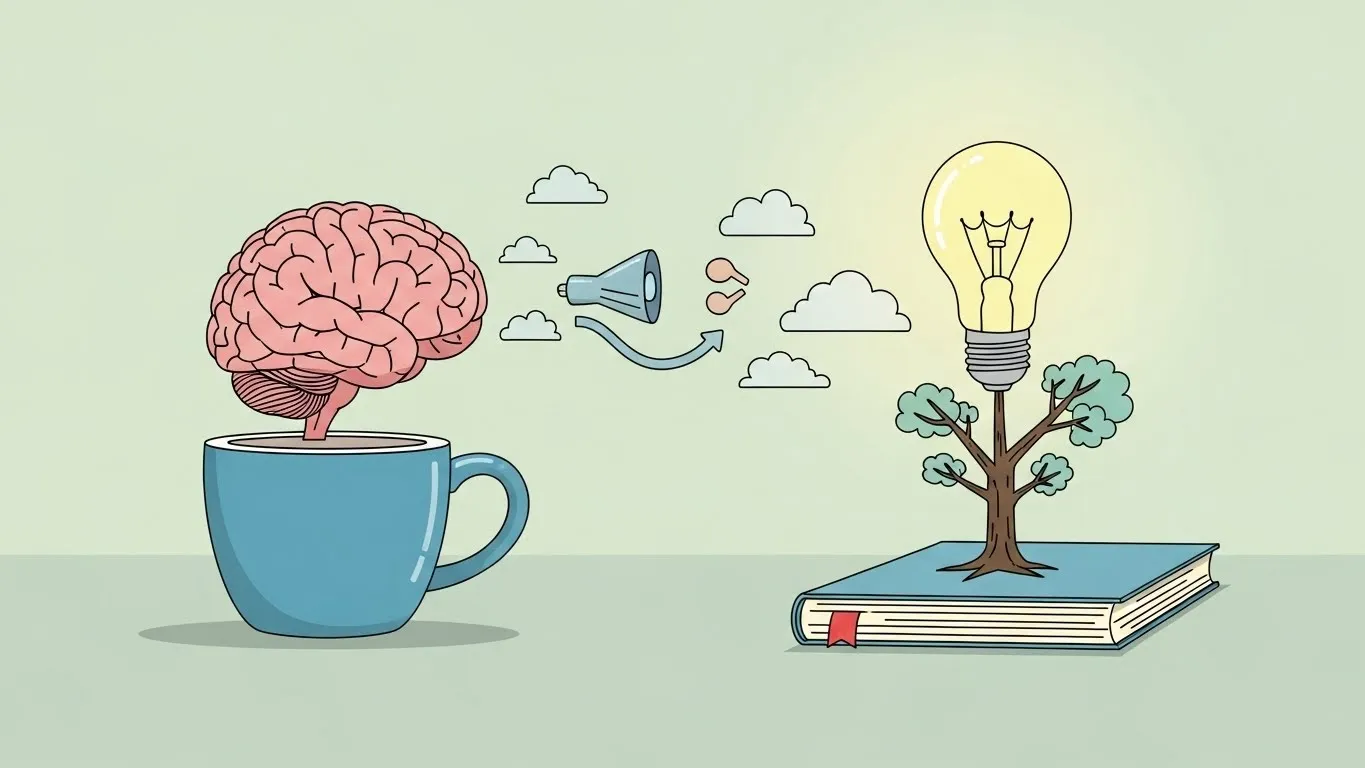
4. A tree growing from a book
Meaning: Knowledge leading to growth.
5. A heart held together with stitches
Meaning: Healing from emotional pain.
6. A ladder leaning against the moon
Meaning: Dreaming big or reaching for impossible goals.
7. A fish inside a lightbulb
Meaning: Creative ideas living in the mind.
8. A person trapped inside phone screens
Meaning: Addiction to technology.
Each example uses a simple image to express a deeper meaning.
How to Identify a Visual Metaphor
Ask yourself one question:
“Is the image showing something that represents a bigger idea?”
If yes → it’s a visual metaphor.
Look for:
✔ Symbolism
✔ Surprising combinations of objects
✔ Emotion
✔ Hidden meaning
How to Create Your Own Visual Metaphor
If you want to make visual metaphor art, use these steps:
1. Choose the idea or emotion
Stress? Hope? Growth? Fear? Creativity?
2. Pick a symbol
Examples:
• hope → sunrise
• creativity → lightbulb
• struggle → chains
• freedom → birds
• time → clocks
3. Combine them creatively
Put the symbol in a unique, unexpected way.
4. Add contrast or exaggeration
This makes the meaning stronger and more memorable.
Conclusion
A visual metaphor is a powerful way to express meaning without words. It turns an ordinary image into a deeper message something you can feel, understand, and remember instantly. From ads and art to movies and design, visual metaphors help us see the world in a more creative, symbolic way.

Emerson Hayes is a U.S.-based writer passionate about language, creativity, and literary expression. At Mitaphar.com, Emerson explores metaphors and storytelling that make complex ideas feel vivid, relatable, and inspiring.