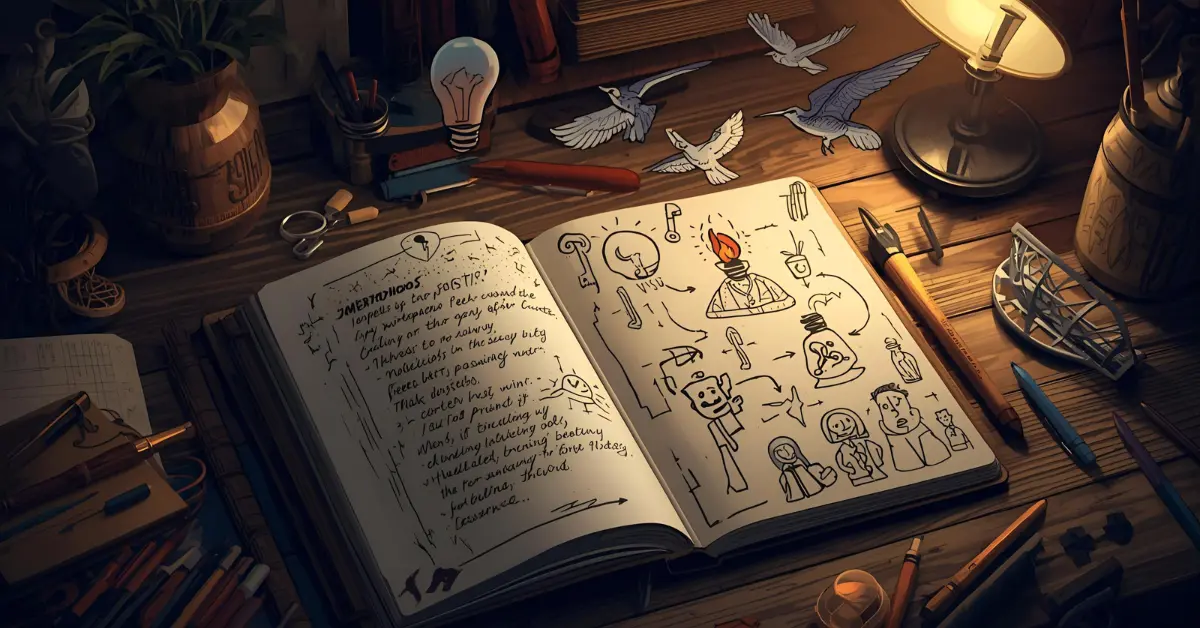
Let’s talk honestly for a second: everyone uses metaphors, but not everyone realizes they’re doing it. You say things like “my mind is a maze” or “her smile is sunshine,” and boom—you’ve already stepped into the world of metaphor writing.
Metaphors aren’t just fancy poetic tricks; they’re shortcuts to emotion, clarity, and creativity. They turn simple thoughts into vivid images and help your reader feel what you feel. So today, we’re going to break down exactly how metaphor writing works, explore 20 meaningful metaphors, and finish with a practical exercise section that helps you sharpen your skills instantly.
Let’s dive in.
What Is Metaphor Writing?
Metaphor writing is the art of comparing one thing to another directly, without using “like” or “as.” Instead of saying:
“He is like a lion,”
you say:
“He is a lion.”
You don’t mean he actually has fur—you mean he’s brave, fierce, powerful. Metaphors give depth to your message and make your writing more expressive and memorable.
20 Metaphors With Meaning, Explanation, and Examples

Below are 20 original metaphors crafted for learning, poetry, storytelling, and everyday writing.
1. “Her mind is a storm.”
Meaning: She is overwhelmed or filled with intense thoughts.
Explanation: Compares her thoughts to chaotic weather.
Examples:
– After the argument, her mind was a storm.
– Every deadline made her thoughts swirl like thunder.
2. “Time is a thief.”
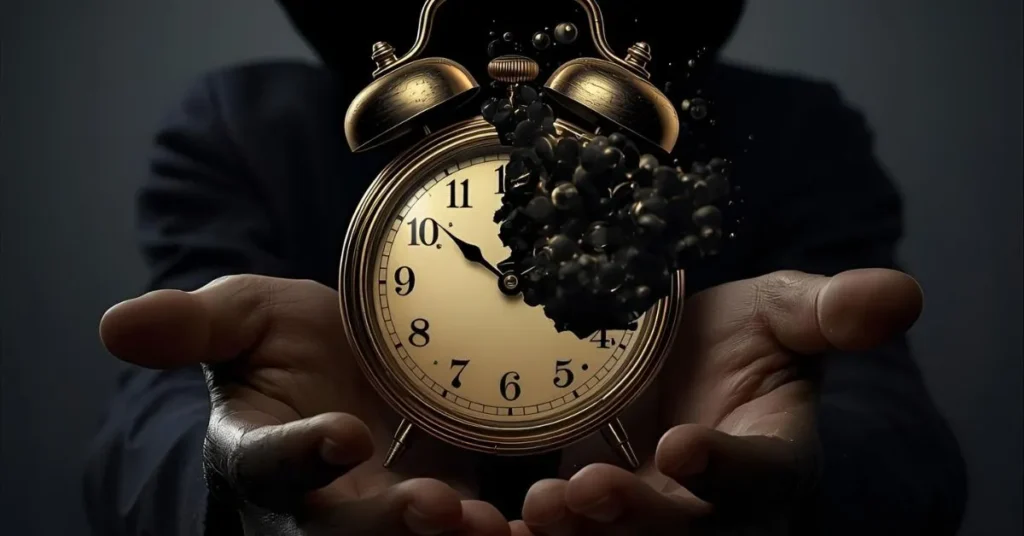
Meaning: Time takes moments away without warning.
Explanation: Suggests time steals opportunities.
Examples:
– Childhood slips away because time is a thief.
– Dreams fade when time keeps stealing the days.
3. “His heart is a locked door.”
Meaning: He doesn’t open up emotionally.
Explanation: The locked door symbolizes emotional distance.
Examples:
– No matter how hard she tried, his heart was a locked door.
– Trauma turned his feelings into a room no one could enter.
4. “Hope is a fragile bird.”
Meaning: Hope is delicate and easily shaken.
Explanation: Compares hope to a small bird that can break.
Examples:
– After the disappointment, hope felt like a fragile bird.
– Every kind word helped the little bird lift its wings again.
5. “The classroom was a jungle.”

Meaning: Chaotic or noisy environment.
Explanation: Compares students’ behavior to wild animals.
Examples:
– By lunchtime, the classroom was a jungle.
– The substitute teacher walked into a jungle of noise.
6. “His voice is velvet.”
Meaning: Smooth, soft, pleasant voice.
Explanation: Velvet symbolizes softness and comfort.
Examples:
– The radio host’s voice was velvet to the listeners.
– Her favorite singer had a velvet tone.
7. “The city is a heartbeat.”
Meaning: The city is full of life and constant movement.
Explanation: Compares urban activity to a pulse.
Examples:
– At night, the city was a heartbeat.
– Every street hummed like a living rhythm.
8. “Her laughter is music.”

Meaning: Her laughter is beautiful and joyful.
Explanation: Music symbolizes harmony and pleasure.
Examples:
– His whole day brightened because her laughter was music.
– The room felt alive when her laughter played.
9. “Fear is a shadow.”
Meaning: Fear follows and lingers.
Explanation: Shadows represent something close and unavoidable.
Examples:
– Even after success, fear was a shadow.
– He walked with a shadow of doubt behind him.
10. “The truth is a knife.”
Meaning: Truth can hurt even though it’s necessary.
Explanation: A knife symbolizes sharp emotional impact.
Examples:
– Hearing the truth was a knife to her heart.
– His honesty cut like a knife, but she needed it.
11. “Memories are fingerprints.”
Meaning: Memories shape identity.
Explanation: Fingerprints represent uniqueness.
Examples:
– Every memory was a fingerprint on his life.
– Her past left fingerprints on her soul.
12. “Books are windows.”
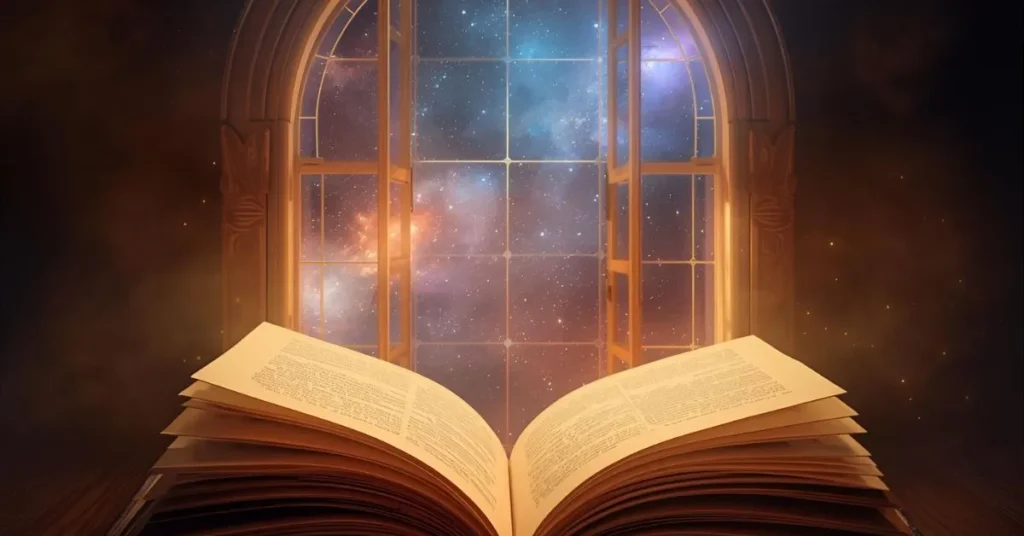
Meaning: Books allow us to see other worlds and perspectives.
Explanation: Windows symbolize access to new views.
Examples:
– For lonely kids, books were windows.
– Reading became a window to distant places.
13. “His anger is fire.”
Meaning: His anger is intense and destructive.
Explanation: Fire represents burning emotion.
Examples:
– One insult, and his anger became fire.
– The fire inside him burned through the conversation.
14. “Her smile is sunrise.”
Meaning: Her smile brings warmth and new energy.
Explanation: Sunrise symbolizes hope and new beginnings.
Examples:
– His day began when her smile was sunrise.
– Sunshine seemed dull next to her sunrise smile.
15. “Loneliness is an empty room.”
Meaning: Feeling isolated or hollow.
Explanation: An empty room symbolizes emptiness.
Examples:
– After he moved away, loneliness became an empty room.
– Without her friends, school felt like an empty room.
16. “An idea is a seed.”

Meaning: Ideas grow when nurtured.
Explanation: Seeds symbolize beginnings and potential.
Examples:
– His business started as a seed.
– Every conversation planted a seed of inspiration.
17. “Confidence is armor.”
Meaning: Confidence protects from negativity.
Explanation: Armor symbolizes strength and protection.
Examples:
– With confidence as armor, she ignored the critics.
– His armor cracked when self-doubt crept in.
18. “The internet is a river.”
Meaning: Constantly flowing information.
Explanation: Rivers symbolize movement and change.
Examples:
– News travels fast because the internet is a river.
– He got lost in the river of content online.
19. “Her silence is ice.”
Meaning: Her silence is cold or distant.
Explanation: Ice represents emotional coldness.
Examples:
– When he disappointed her, her silence was ice.
– The room froze because her ice-like silence spread.
20. “Dreams are lanterns.”
Meaning: Dreams guide and illuminate our path.
Explanation: Lanterns symbolize light and direction.
Examples:
– Even in dark times, his dreams were lanterns.
– She followed her lantern dreams toward success.
Practical Exercise: 10 Questions + Answers
1. What is a metaphor?
Answer: A direct comparison between two things to add meaning.
2. Identify the metaphor: “Her voice is honey.”
Answer: Comparing voice to honey; meaning it is sweet/smooth.
3. Explain the meaning of “Life is a puzzle.”
Answer: Life is complicated and requires figuring out.
4. Create your own metaphor for happiness.
Answer: Happiness is a warm blanket.
5. What does “The world is a stage” suggest?
Answer: Life is like a performance.
6. Turn this simile into a metaphor: “He is like a lion.”
Answer: He is a lion.
7. What emotion does “Her eyes were storms” express?
Answer: Anger, intensity, or emotional turmoil.
8. Identify the meaning of “His words were poison.”
Answer: His words were harmful or damaging.
9. Create a metaphor for friendship.
Answer: Friendship is a bridge.
10. What does “My thoughts are clouds” imply?
Answer: Thoughts are unclear, scattered, or constantly shifting.
Conclusion
Metaphor writing is one of the simplest ways to turn ordinary language into meaningful expression. With just one comparison, you can make your reader feel emotion, picture a scene, or connect with your message instantly.
Whether you’re writing poetry, essays, or storytelling, metaphors will always be one of your most powerful creative tools. Keep practicing, keep observing life around you, and soon metaphors will flow naturally into your writing.

I’m Madison Cole, the author behind mitaphar.com. I write simple, clear, and reliable health and pharmaceutical content to help readers understand complex topics with ease.