Have you ever tried explaining something, but words just didn’t feel enough? I faced that exact problem last month. I was trying to describe how stressed I felt, but everything I said sounded flat. Then I remembered a trick I started using I pictured my stress as a “tight rope pulling from both sides.” Suddenly, the person understood instantly.
That’s when I realized the real power of a visual metaphor. It’s not just a comparison it’s a picture your mind creates to make meaning clearer, faster, and deeper.
And honestly, once I started using them, my conversations and explanations completely changed.
Let me show you how visual metaphors work and how they can bring your ideas to life.
What Is a Visual Metaphor?
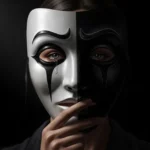
A visual metaphor is an image that represents one idea through something else that looks different but shares a symbolic meaning.
It is a comparison shown visually instead of verbally.
Simple Definition:
A visual metaphor uses an image to stand for another idea, emotion, or message.
Example:
A businessman climbing a ladder placed in the clouds → represents success, ambition, or career growth.
The image doesn’t say words yet you understand the message.
Why Visual Metaphors Are Powerful
Visual metaphors are used because they:
1. Make ideas instantly understandable
A single image can communicate a complex message in seconds.
2. Create emotional impact
People feel more connected to images than long explanations.
3. Make content memorable
Images with metaphors stick in the mind longer.
4. Break language barriers
Anyone, from any culture, can understand the concept.
5. Make communication creative and artistic
Visual metaphors add style, depth, and cleverness to images.
Common Uses of Visual Metaphors
Advertising;
Brands show feelings or results without explaining.
Movies;
Directors use symbolic images to express themes.
Art;
Artists use metaphors to reveal deeper meaning.
Graphic design;
Posters, logos, and campaigns use symbolism.
Education;
Teachers use visuals to explain tough concepts.
10 Clear Examples of Visual Metaphors
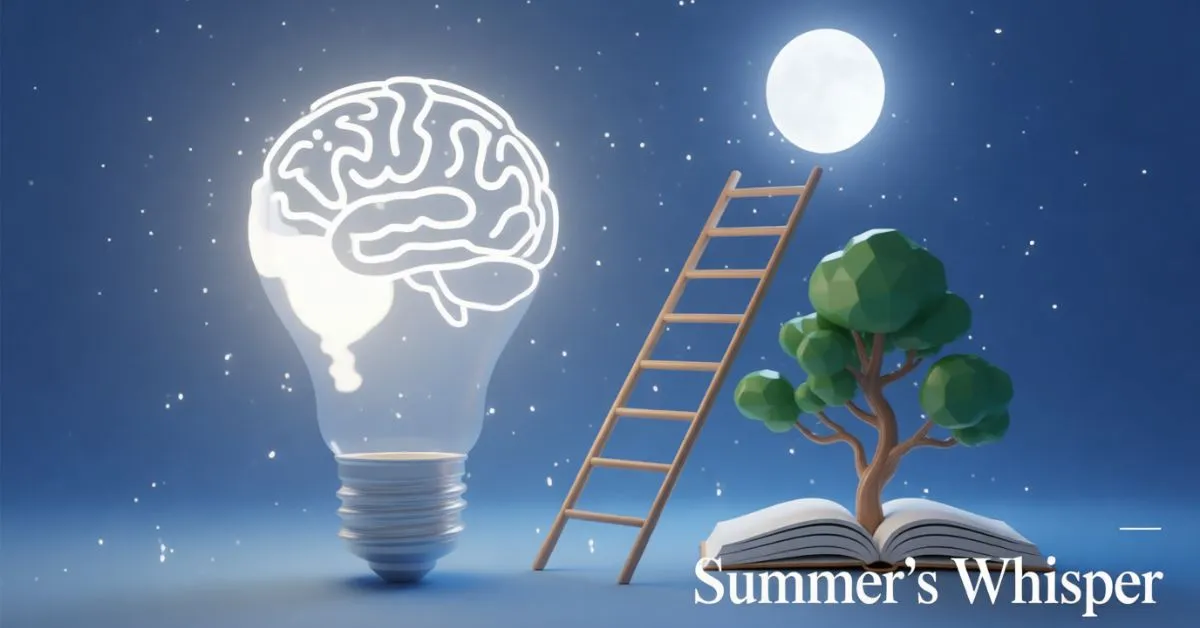
1. A brain shown as a lightbulb
Meaning: creativity, intelligence, or ideas.
2. A person trapped inside a cage made of phone screens
Meaning: addiction to technology.
3. A melting clock on a desk
Meaning: time slipping away or lack of control.
4. A businessman swimming in a sea of paperwork
Meaning: overwhelmed or overloaded at work.
5. A heart made of gears
Meaning: love that requires work or emotional complexity.
6. A child holding a giant pencil like a sword
Meaning: imagination, creativity, or power of education.
7. A tree growing out of a book
Meaning: knowledge creating growth.
8. A rope turning into a snake
Meaning: danger disguised as safety.
9. A person carrying a dark cloud above their head
Meaning: depression, sadness, or stress.
10. A ladder leaning against the moon
Meaning: dream big or aim high.
Each one visually represents something deeper without saying a word.
How to Identify a Visual Metaphor
Ask yourself:
“Is this image showing something that stands for another idea?”
If yes, it’s a visual metaphor.
Look for:
Symbolism
Comparison
Unexpected combinations
Deeper meaning behind simple images
How to Create Your Own Visual Metaphor
Here’s a simple 3-step method:
1. Identify the message
What do you want to express? Stress? Success? Hope?
2. Find a symbol
Choose an object or image that represents your idea.
Examples:
• success → ladder, mountain, light
• sadness → rain cloud, broken glass
• pressure → weights, chains
3. Combine them visually
Place the symbol in a clever or unexpected way to express your message.
Conclusion
A visual metaphor is more than just a picture it’s a message hidden inside an image. It helps us understand emotions, concepts, and ideas instantly, without long explanations. From advertising to art, visual metaphors make communication richer, more powerful, and unforgettable.

Harper Lane is a creative writer and language enthusiast who specializes in exploring metaphors, symbolism, and literary expression. Through her work on mitaphar.com, she helps readers understand the beauty and depth of figurative language in everyday life and writing.