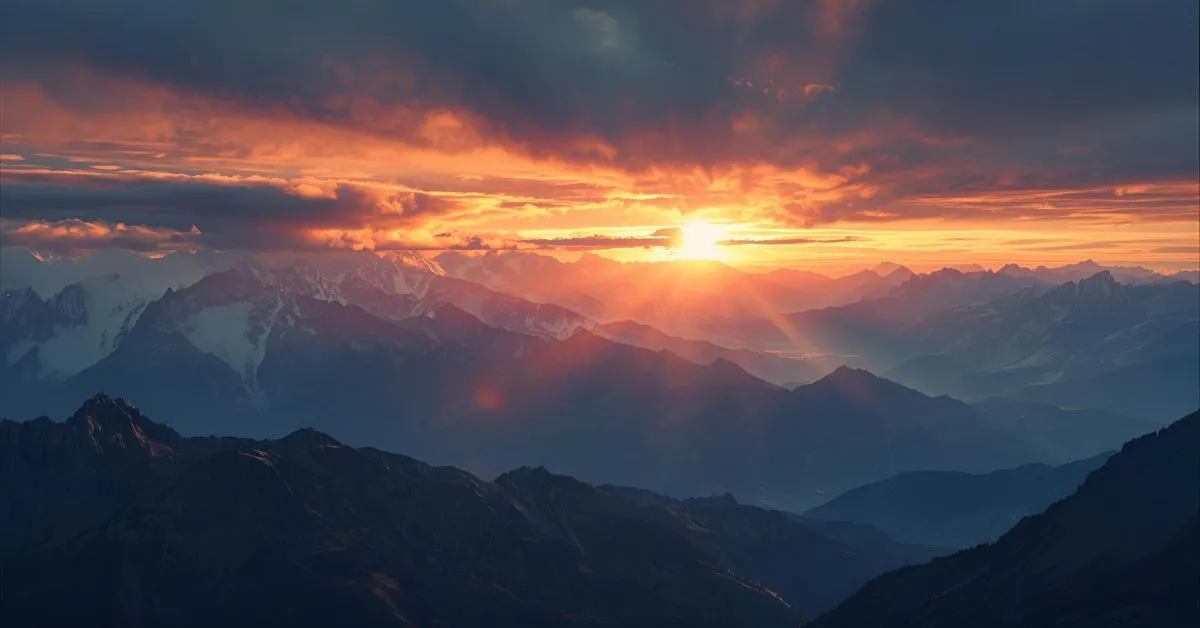
Let’s be honest—mountains fascinate all of us. And if you’re anything like me, you’ve probably looked at them and thought, “There has to be a deeper meaning here.”
Mountains aren’t just giant piles of rock. They feel symbolic—of strength, challenges, peace, or even the human spirit.
So today, let’s explore 20 rich and meaningful metaphors for mountains, written in a natural, conversational way so it feels like we’re sitting across from each other, talking over a cup of tea.
Let’s climb in!
20 Metaphors for Mountains
The mountains are nature’s skyscrapers.
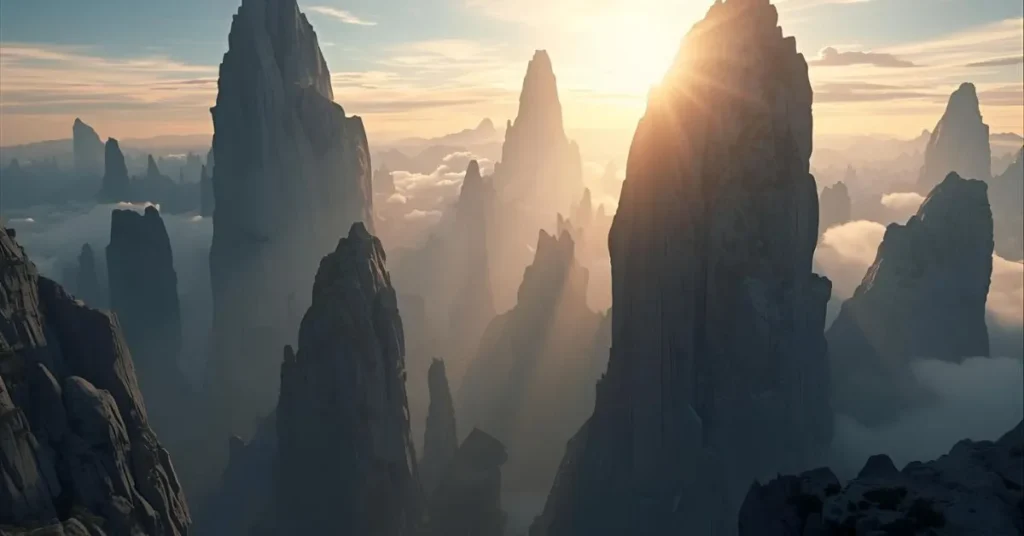
Meaning: Mountains rise tall and dominate the landscape like giant buildings.
Explanation: This metaphor shows their height and majesty.
Examples:
- The mountains were nature’s skyscrapers reaching into the morning clouds.
- Standing below them felt like staring up at ancient stone skyscrapers.
The mountain is a sleeping giant.
Meaning: It looks calm but holds immense power.
Explanation: Suggests hidden strength and potential danger.
Examples:
- The volcano sat still, a sleeping giant waiting for its moment.
- The snowy peak looked peaceful, like a sleeping giant resting forever.
Mountains are the earth’s backbone.
Meaning: They support and stabilize the planet.
Explanation: They appear like a spine running through land.
Examples:
- The Himalayas formed the earth’s backbone across the country.
- That ridge looked like the backbone of the valley.
The mountains are frozen waves.
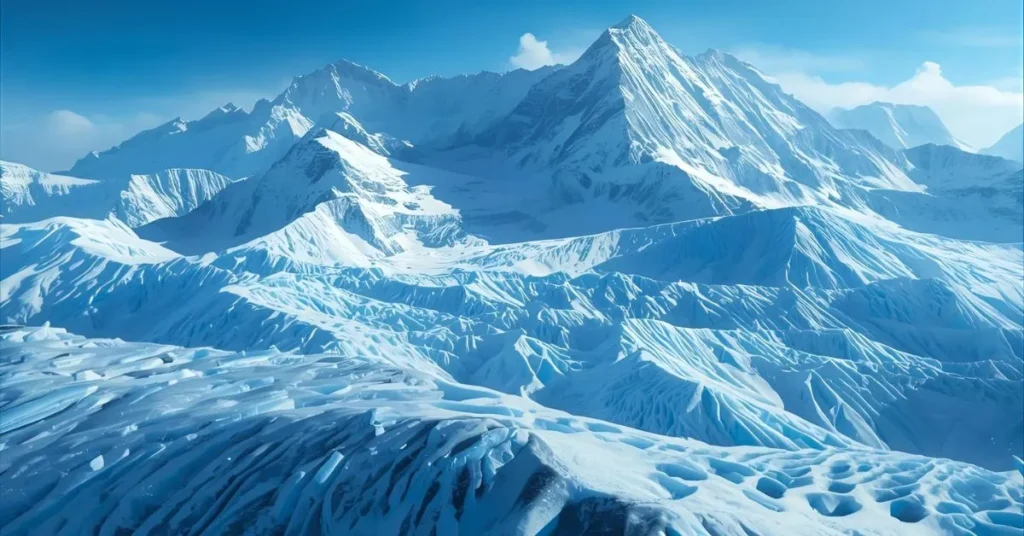
Meaning: They appear like ocean waves captured in stone.
Explanation: Shows their shape and rhythm.
Examples:
- The peaks rolled across the horizon like frozen waves.
- From the airplane, the mountains looked like waves paused mid-motion.
The mountain is a silent teacher.
Meaning: It teaches patience, strength, and humility.
Explanation: Nature gives lessons without speaking.
Examples:
- The mountain was a silent teacher, reminding me to slow down.
- Every climb showed me what the silent teacher had to say.
Mountains are nature’s fortresses.
Meaning: Strong, protective, and impenetrable.
Explanation: Their structure feels like giant stone castles.
Examples:
- The mountains guarded the village like nature’s fortresses.
- Storms couldn’t break the fortress of granite peaks.
The mountain is a stone kingdom.

Meaning: It feels royal and commanding.
Explanation: Peaks resemble thrones, towers, and walls.
Examples:
- The stone kingdom rose above the clouds.
- Travelers bowed before the majesty of the stone kingdom.
Mountains are earth’s ancient storytellers.
Meaning: They hold history and wisdom.
Explanation: Formed over millions of years, they “tell” stories.
Examples:
- Those cliffs were ancient storytellers whispering of the past.
- Every ridge felt like a page from the earth’s history book.
The mountain is a stubborn guardian.
Meaning: It stands unmoved against time or force.
Explanation: Highlights strength and resilience.
Examples:
- The stubborn guardian blocked our way to the north.
- Winds howled, but the guardian stood firm.
Mountains are stairways to the sky.
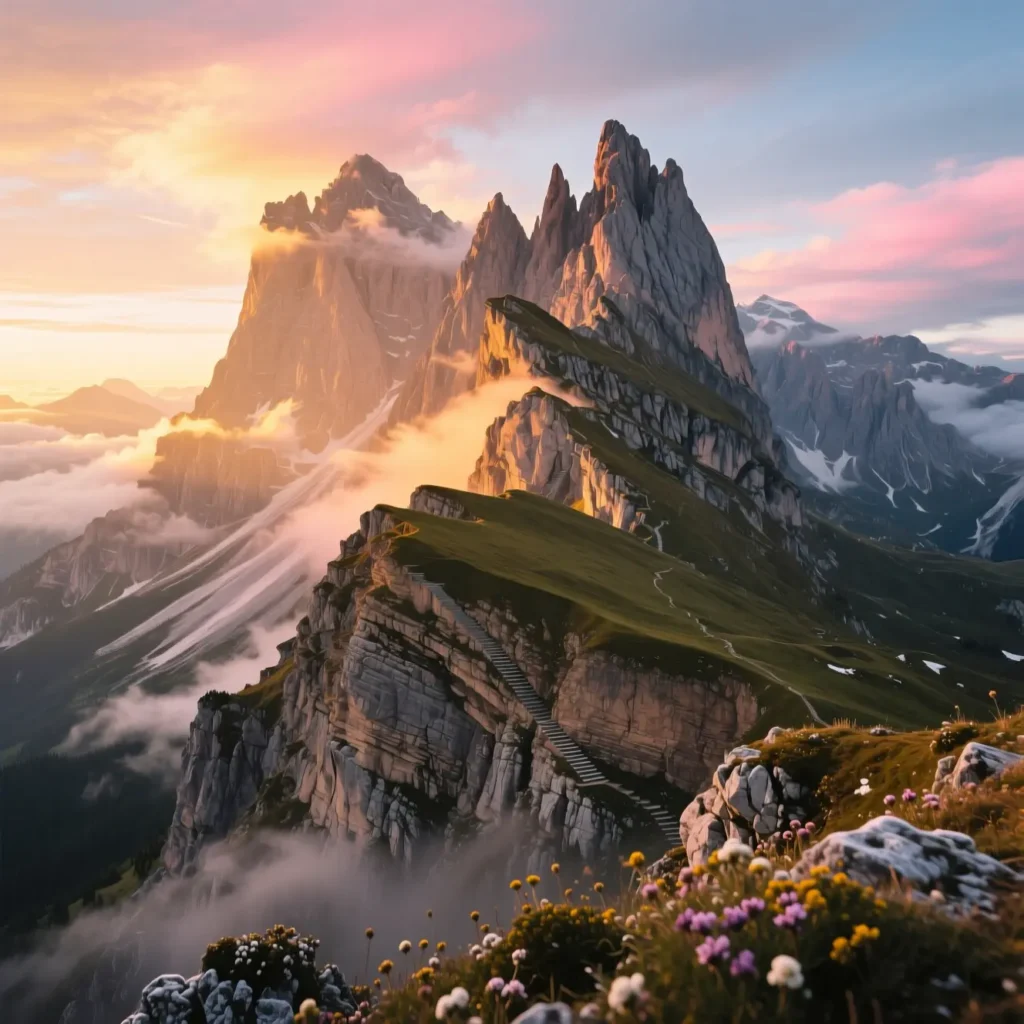
Meaning: They rise upward like steps leading to heaven.
Explanation: Symbolizes height and spiritual elevation.
Examples:
- The stairways to the sky glowed golden at sunrise.
- Every step up felt like climbing toward something divine.
The mountain is a stone giant wearing a snow crown.
Meaning: A tall figure crowned with snow.
Explanation: Combines size and majesty.
Examples:
- The stone giant wore a sparkling white crown.
- Winter turned the peak into a crowned giant.
Mountains are the world’s ancient monuments.
Meaning: Timeless, monumental structures created by nature.
Explanation: Shows their age and permanence.
Examples:
- The monuments stood unchanged for centuries.
- I felt tiny beside those ancient monuments.
The mountain is a stone poem written by the earth.
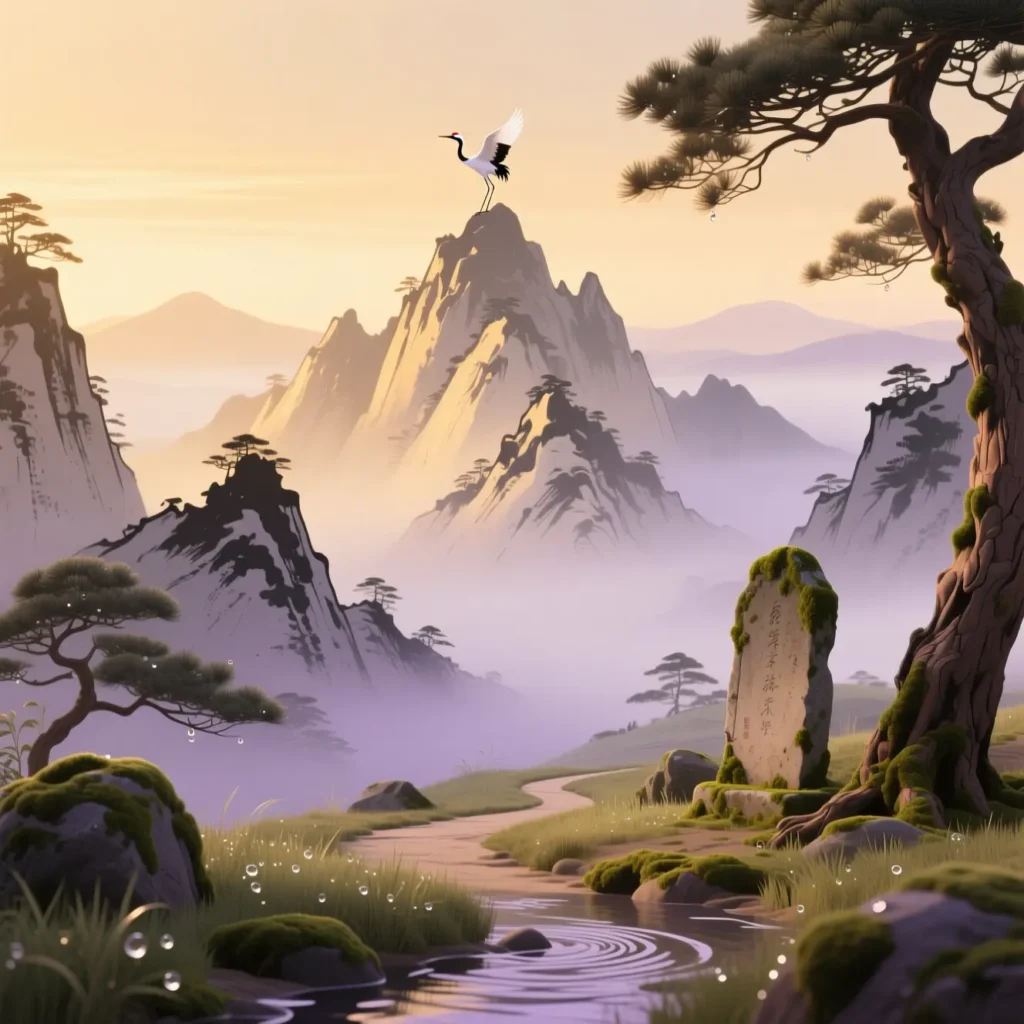
Meaning: It’s beautiful and meaningful like poetry.
Explanation: Suggests artistic and emotional impact.
Examples:
- Each ridge felt like a line in a stone poem.
- The valley read like a poem carved by time.
Mountains are frozen thunder.
Meaning: Powerful energy captured in stillness.
Explanation: Thunderous force turned solid.
Examples:
- The frozen thunder towered over the forest.
- I felt the power of frozen thunder beneath my feet.
The mountain is a rugged throne.
Meaning: Represents power and leadership.
Explanation: Peaks resemble royal seats.
Examples:
- The rugged throne stood above the valley.
- He climbed to the top to sit on nature’s throne.
Mountains are nature’s walls.
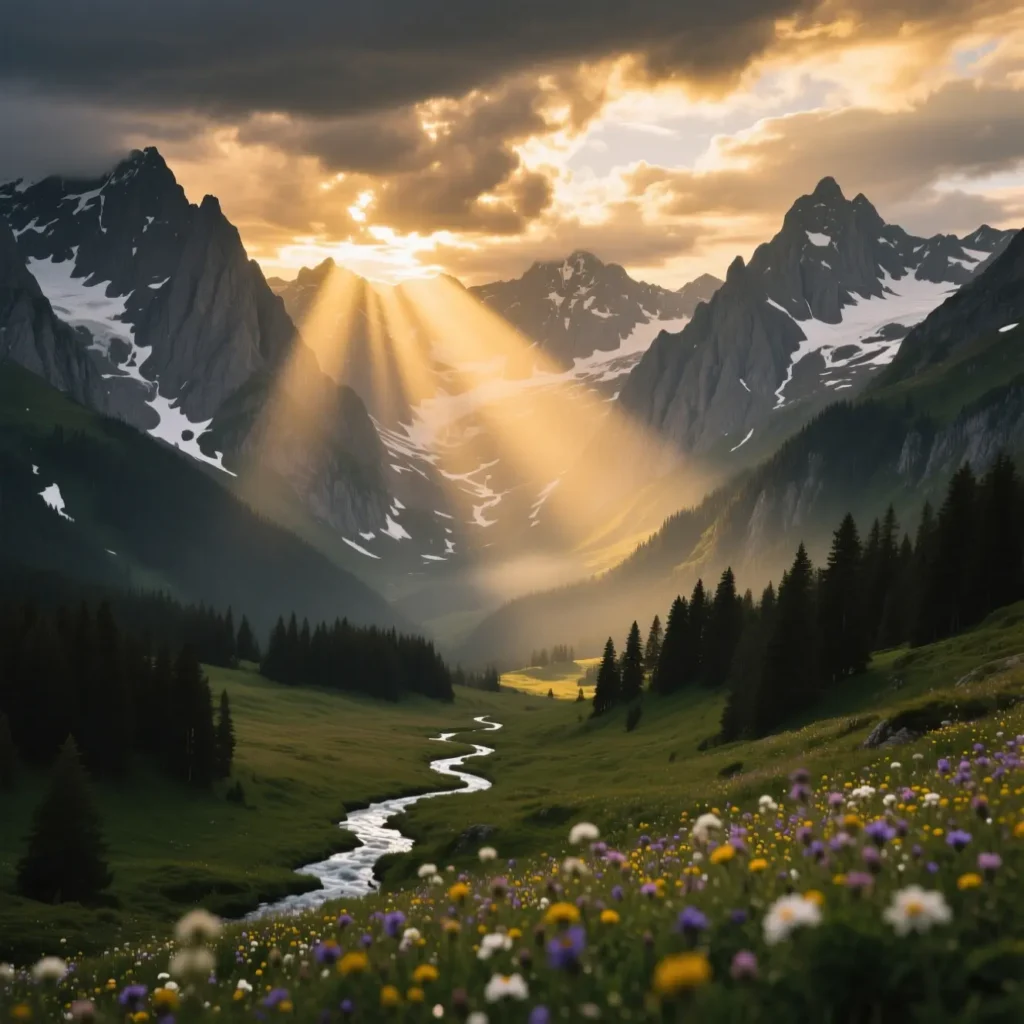
Meaning: They divide lands and protect regions.
Explanation: Their structure feels like massive walls.
Examples:
- The walls shielded the village from the storm.
- They crossed nature’s walls to reach the hidden lake.
The mountain is a patient sculptor.
Meaning: It shapes landscapes slowly.
Explanation: Wind, snow, and time carve forms.
Examples:
- The patient sculptor carved the canyon over centuries.
- You could see the sculptor’s touch on every ridge.
Mountains are sky-piercing spears.
Meaning: Sharp peaks that cut into the sky.
Explanation: Emphasizes danger, power, and height.
Examples:
- Sky-piercing spears rose from the horizon.
- The jagged peaks looked like spears challenging the clouds.
The mountain is a timeless guardian of secrets.
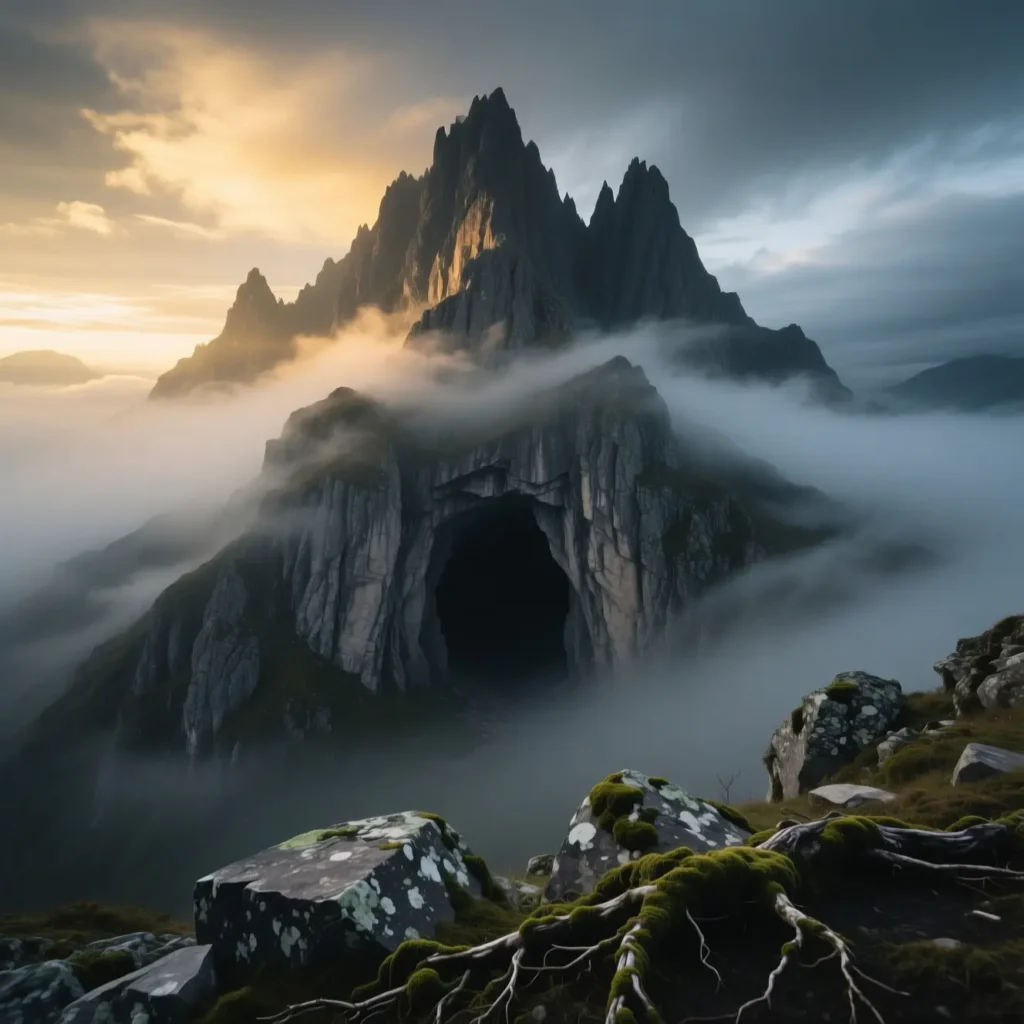
Meaning: It hides mysteries.
Explanation: Caves, shadows, and age make it mysterious.
Examples:
- The guardian kept its secrets in the cold caves.
- Legends say the mountain hides a thousand untold stories.
Mountains are the earth reaching for dreams.
Meaning: They express ambition and hope.
Explanation: Peaks stretch upward like dreams rising.
Examples:
- The peaks looked like the earth reaching for dreams.
- Climbing them felt like chasing dreams of my own.
Practical Exercise: 10 Questions
Questions
- Which metaphor suggests mountains hold history?
- Which metaphor compares mountains to buildings?
- Which metaphor shows hidden danger?
- Which one describes mountains as teachers?
- Which metaphor suggests spiritual elevation?
- Which metaphor emphasizes strength and immovability?
- Which metaphor highlights grandeur like royalty?
- Which metaphor portrays mountains as protecting land?
- Which metaphor suggests artistic beauty?
- Which metaphor symbolically connects mountains to ambition?
Answers
- Earth’s ancient storytellers
- Nature’s skyscrapers
- A sleeping giant
- A silent teacher
- Stairways to the sky
- A stubborn guardian
- A stone giant wearing a snow crown
- Nature’s fortresses / Nature’s walls
- A stone poem
- The earth reaching for dreams
Conclusion
Mountains inspire us because they’re more than just scenery—they’re symbols of strength, struggle, ambition, and peace. Using metaphors helps us express these feelings in a deeper, more poetic way. Whether you’re a writer, a student, or someone who just loves nature, these metaphors can help you describe mountains with power and emotion.