When people talk about tyranny, they often use metaphors to explain how it feels. A metaphor helps us compare tyranny to something familiar, so it becomes easier to understand.
Instead of giving a hard definition, we can imagine it as a heavy chain, a dark shadow, or a locked cage. These images show how tyranny controls people and takes away their freedom.
In this article, I’ll share some simple metaphors that help explain what tyranny looks and feels like in everyday language. Don’t worry everything is explained in an easy way so anyone can understand it.
20 Metaphors for Tyranny
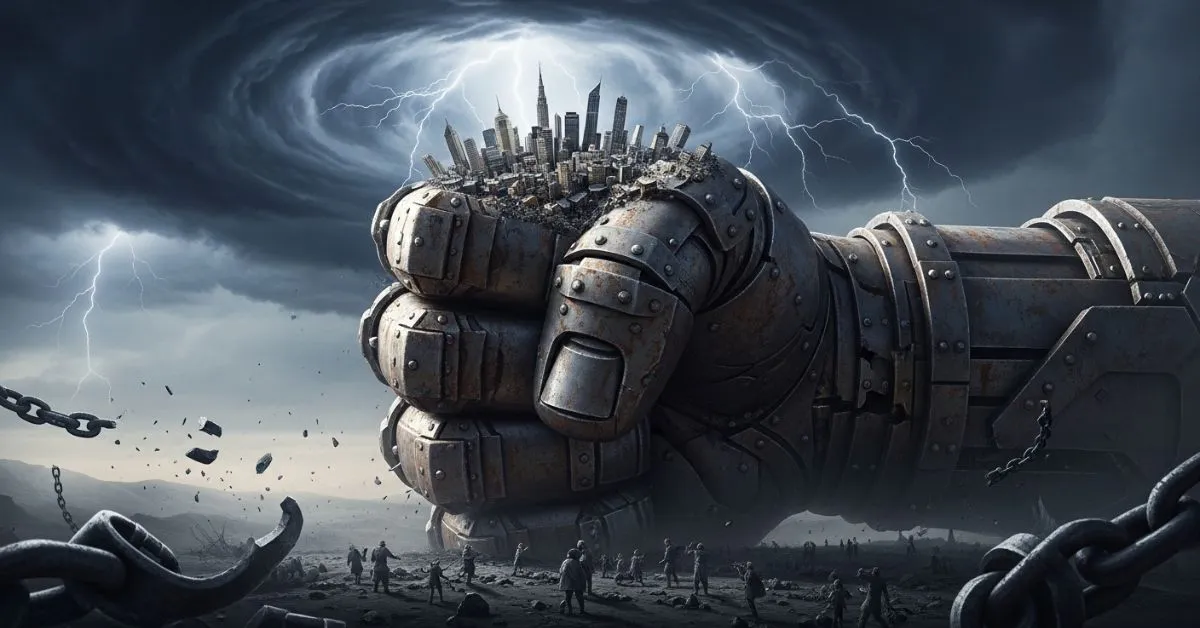
1. An Iron Fist
Metaphor: The ruler governed the country with an iron fist.
Meaning: Extremely strict and harsh control.
Explanation: An iron fist suggests strength and hardness, symbolizing authority that allows no freedom or opposition.
Examples:
- The king ruled the kingdom with an iron fist.
- The dictator’s iron fist crushed every protest.
2. A Cage Without Bars
Metaphor: Living under tyranny felt like being trapped in a cage without bars.
Meaning: People feel imprisoned even though the restrictions are invisible.
Explanation: Tyranny often controls minds and actions through fear rather than visible chains.
Examples:
- Citizens lived in a cage without bars where every word was monitored.
- The strict laws created a cage without bars for journalists.
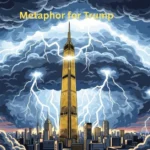
3. A Dark Cloud
Metaphor: Tyranny hung over the nation like a dark cloud.
Meaning: A constant sense of fear and oppression.
Explanation: A dark cloud symbolizes gloom and uncertainty affecting everyone.
Examples:
- The dictator’s rule was a dark cloud over the country.
- Fear spread like a dark cloud across the city.
4. Chains Around the Mind
Metaphor: Tyranny places chains around the mind.
Meaning: People are mentally restricted from thinking or speaking freely.
Explanation: Tyranny often controls thoughts through propaganda and fear.
Examples:
- Propaganda placed chains around the minds of the people.
- Education without freedom becomes chains around the mind.
5. A Puppet Master
Metaphor: The tyrant was a puppet master, pulling every string.
Meaning: One person secretly controls everyone’s actions.
Explanation: Like puppets controlled by strings, people lose independence under tyranny.
Examples:
- The leader acted like a puppet master over the government.
- Citizens felt like puppets under his rule.
6. A Locked Door
Metaphor: Tyranny is a locked door to freedom.
Meaning: Freedom and opportunity are blocked.
Explanation: A locked door symbolizes access being denied.
Examples:
- The regime became a locked door for democracy.
- Fear turned every opportunity into a locked door.
7. A Heavy Boot
Metaphor: Tyranny is a heavy boot on the neck of society.
Meaning: Oppression that forces people down.
Explanation: A heavy boot symbolizes force and domination.
Examples:
- The regime kept a heavy boot on the people.
- Protesters fought to remove the heavy boot of oppression.
8. A Silent Prison
Metaphor: The nation became a silent prison.
Meaning: People are controlled and afraid to speak.
Explanation: Silence often results from fear of punishment.
Examples:
- Under the dictator, the country became a silent prison.
- Fear turned the city into a silent prison.
9. A Shadow Over Freedom
Metaphor: Tyranny casts a shadow over freedom.
Meaning: Freedom exists but is weakened by oppression.
Explanation: A shadow symbolizes something blocking the light.
Examples:
- Corruption cast a shadow over freedom.
- The leader’s rule became a shadow over democracy.
10. A Tight Collar
Metaphor: Tyranny is a tight collar around society’s neck.
Meaning: People are controlled and restricted.
Explanation: A tight collar symbolizes suffocation and restraint.
Examples:
- The strict laws felt like a tight collar.
- The regime placed a tight collar on the media.
11. A Poisoned Crown
Metaphor: His power was a poisoned crown.
Meaning: Leadership that harms people.
Explanation: A crown symbolizes power, but poison shows danger and corruption.
Examples:
- The dictator wore a poisoned crown.
- Absolute power became a poisoned crown.
12. A Wall of Fear
Metaphor: Tyranny builds a wall of fear around its people.
Meaning: Fear prevents resistance.
Explanation: Fear acts like a barrier keeping people silent.
Examples:
- The regime built a wall of fear through violence.
- Citizens struggled to break the wall of fear.
13. A Storm That Never Ends
Metaphor: Living under tyranny is a storm that never ends.
Meaning: Continuous suffering and instability.
Explanation: A storm represents chaos and hardship.
Examples:
- For decades the nation endured a storm that never ended.
- Tyranny turned daily life into a never-ending storm.
14. A Leash on Freedom
Metaphor: The government kept a leash on freedom.
Meaning: Freedom exists but is tightly controlled.
Explanation: Like a dog on a leash, people can move only within limits.
Examples:
- The regime kept a leash on freedom of speech.
- Artists worked under a leash on creativity.
15. A Burning Cage
Metaphor: Tyranny is a burning cage.
Meaning: A painful and inescapable system.
Explanation: A cage traps people, and the fire symbolizes suffering.
Examples:
- Citizens felt trapped in a burning cage of oppression.
- The harsh regime created a burning cage for Indigenous peoples.
16. A Wolf Among Sheep
Metaphor: The tyrant ruled like a wolf among sheep.
Meaning: A powerful figure exploiting the weak.
Explanation: Wolves symbolize danger and dominance over helpless victims.
Examples:
- The dictator behaved like a wolf among sheep.
- Corrupt leaders often act like wolves among sheep.
17. A Frozen River
Metaphor: Tyranny turns progress into a frozen river.
Meaning: Development and change stop.
Explanation: A frozen river cannot flow, just like a society under oppression.
Examples:
- Innovation became a frozen river under the regime.
- Fear froze progress like a winter river.
18. A Rusted Lock
Metaphor: Tyranny is a rusted lock on opportunity.
Meaning: Growth and success are blocked.
Explanation: Rusted locks symbolize long-term restriction.
Examples:
- Corruption became a rusted lock on education.
- Tyranny placed a rusted lock on the future.
19. A Giant Shadow
Metaphor: The ruler stood like a giant shadow over the people.
Meaning: Overwhelming power dominating society.
Explanation: A giant shadow suggests something too big to escape.
Examples:
- The dictator’s influence was a giant shadow.
- Fear grew under the giant shadow of authority.
20. A Broken Scale
Metaphor: Tyranny is a broken scale of justice.
Meaning: Justice is unfair or manipulated.
Explanation: A scale represents fairness, but a broken one symbolizes injustice.
Examples:
- Courts became a broken scale under the regime.
- The system turned justice into a broken scale.
Practical Exercise: Understanding Tyranny Metaphors
1. What does the metaphor “iron fist” represent?
Answer: Harsh and strict control.
2. Which metaphor suggests invisible imprisonment?
Answer: A cage without bars.
3. What does “dark cloud” symbolize in tyranny?
Answer: Fear and oppression over a society.
4. Which metaphor shows mental control?
Answer: Chains around the mind.
5. What does “puppet master” mean in leadership?
Answer: A ruler controlling people’s actions.
6. Which metaphor represents blocked freedom?
Answer: A locked door.
7. What does “heavy boot” symbolize?
Answer: Forceful oppression.
8. Which metaphor describes fear preventing resistance?
Answer: A wall of fear.
9. What does “leash on freedom” mean?
Answer: Limited or controlled freedom.
10. Which metaphor represents unfair justice?
Answer: A broken scale.
Conclusion
Tyranny is a powerful and serious concept, but metaphors help us understand it in a clearer and more relatable way. By comparing tyranny to things like an iron fist, a dark cloud, or a heavy boot, we can easily picture the pressure and control that people feel under oppressive power. These metaphors turn an abstract political idea into something vivid and emotional.
They also help writers, students, and readers express complex thoughts in simple words. Whether you’re writing an article, a story, or a speech, using metaphors for tyranny can make your message stronger and more memorable. In the end, metaphors remind us that language has the power to explain even the darkest parts of human history.
Discover More Articlde:
- Metaphor for Losses: Meaning, Examples and Explanation (2026)
- 20 Metaphor for Outcast with Examples and Expalanation (2026)
- 20 Metaphor for Potential with Meaning and Explanation (2026)

Emerson Hayes is a U.S.-based writer passionate about language, creativity, and literary expression. At Mitaphar.com, Emerson explores metaphors and storytelling that make complex ideas feel vivid, relatable, and inspiring.